Nimbu (Lemon): Benefits, Uses, Nutrition, and Lemon Water Guide
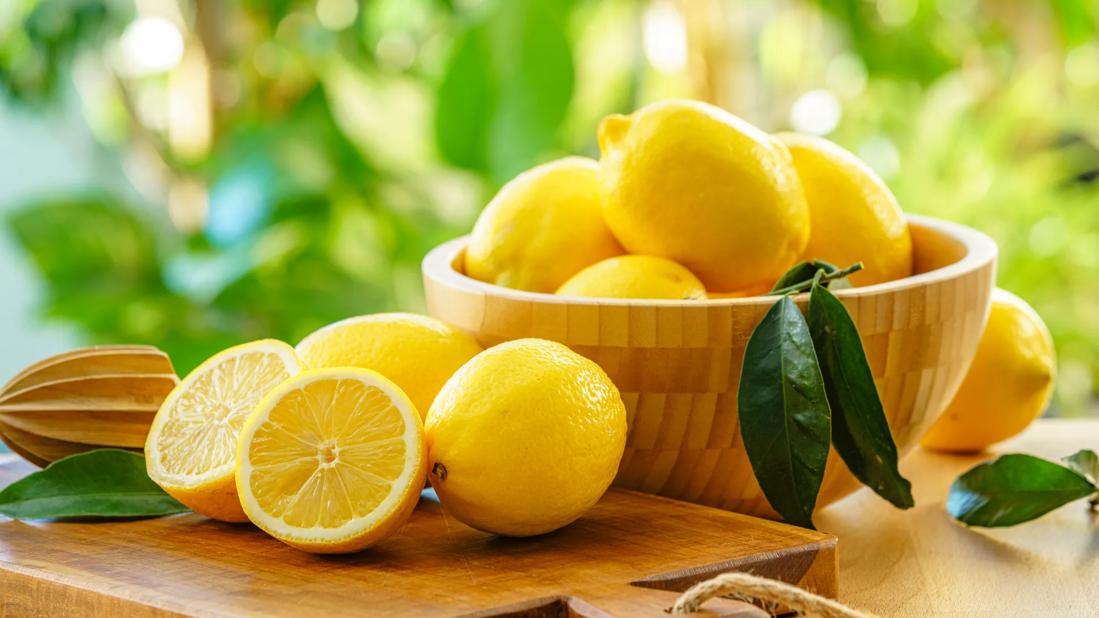
Lemon is one of the most popular citrus fruits in the world. Known for its bright yellow color, refreshing aroma, and naturally sour taste, lemon is widely used in cooking, beverages, traditional food preparation, and agriculture. The scientific name of lemon is Citrus limon, and it belongs to the Rutaceae family.
From lemon water and salad dressing to pickles and homemade recipes, lemons are an important part of many cuisines. They are also valued for their vitamin C content and refreshing flavor.
In this complete guide, we will discuss lemon benefits, lemon nutrition, uses of lemon, lemon cultivation, lemon tree care, and frequently asked questions about lemons.
What Is Lemon?
Lemon is a citrus fruit that grows on a small to medium-sized evergreen tree. The fruit usually has a yellow outer skin when mature and contains juicy segments with a sour taste.
Lemons are mainly used for their juice and zest. The juice can add a fresh, acidic flavor to food and drinks, while lemon zest is often used to add aroma to recipes.
Lemon Nutrition

Lemons are relatively low in calories and provide several nutrients and plant compounds. They are particularly known for their vitamin C content.
Important nutrients and compounds found in lemons include:
Vitamin C
Water
Citric acid
Potassium
Folate
Plant antioxidants
Dietary fiber, especially when the pulp is consumed
The exact nutritional value can vary depending on the size and variety of the fruit.
Health Benefits of Lemon
1. Source of Vitamin C
One of the best-known nutritional features of lemon is vitamin C. Vitamin C contributes to normal immune function and is also involved in collagen formation and iron absorption.
2. Supports Hydration
Adding lemon to water can make it more flavorful, which may encourage some people to drink more water. Lemon water itself is not a special treatment for dehydration, but it can be part of a healthy hydration routine.
3. Contains Antioxidant Compounds
Lemons contain vitamin C and other plant compounds with antioxidant properties. Antioxidants help protect cells from oxidative stress as part of normal body processes.
4. May Help Iron Absorption
Vitamin C can improve the absorption of non-heme iron, the type of iron found mainly in plant-based foods. Adding lemon or another vitamin C-rich food to a meal may therefore be useful as part of a balanced diet.
5. Adds Flavor Without Many Calories
Lemon juice can add a strong, fresh flavor to meals and beverages without adding many calories. It can be used in place of some higher-calorie sauces or flavoring ingredients.
Uses of Lemon
Lemon has many culinary and household uses.
Lemon in Food
Lemon juice is commonly added to:
Salads
Soups
Vegetables
Rice dishes
Sauces
Chutneys
Pickles
Desserts
Lemon zest is also used in cakes, biscuits, sauces, and other recipes.
Lemon Drinks
Lemon is widely used to prepare lemonade and other refreshing beverages. Lemon water is another simple way to add flavor to drinking water.
Lemon Pickle
Lemon pickle is popular in many parts of India. It can be prepared using lemons, salt, spices, and other ingredients. Different regions have their own traditional recipes.
Lemon Tree
A lemon tree is generally evergreen and can produce fragrant flowers followed by fruit. Depending on the variety and growing conditions, trees can differ in size and fruit production.
Lemon trees generally require:
Adequate sunlight
Well-drained soil
Regular but appropriate watering
Suitable nutrients
Protection from pests and diseases
Good air circulation and proper plant care can also support healthy growth.
Lemon Cultivation
Lemon cultivation is carried out in many warm and subtropical regions. Commercial production depends on the variety, climate, soil, water availability, and farming practices.
Climate
Lemon plants generally perform well in warm climates. Extreme cold can damage sensitive plants, while suitable sunlight supports healthy growth.
Soil
Well-drained soil is important because excessive standing water around the roots can cause problems. Soil fertility and appropriate pH also influence plant growth.
Irrigation
Lemon plants need adequate water, particularly during important growth periods. However, overwatering should be avoided because poor drainage can damage roots.
Sunlight
Lemon trees generally benefit from good sunlight exposure. A suitable sunny location can support healthy leaves, flowering, and fruit development.
Fertilization
Lemon plants require nutrients for healthy growth and fruit production. Farmers and gardeners should use fertilizers according to soil conditions, plant age, and local agricultural recommendations.
How to Grow a Lemon Plant at Home
Lemon plants can also be grown in a home garden or a suitable container.
Choose a healthy plant and place it in well-draining soil. Select a location that receives sufficient sunlight. Water the plant according to the soil and weather conditions, avoiding excessive moisture.
If growing lemon in a pot, choose a container with drainage holes. As the plant grows, it may require a larger container.
Regularly check the plant for pests, diseases, yellowing leaves, or other signs of stress.
Common Types of Lemon
Different lemon varieties are cultivated around the world. Some varieties are selected for their fruit size, juice content, flavor, climate adaptability, or commercial production.
The characteristics of lemons can vary considerably depending on the variety and growing region.
Lemon Peel and Zest
Lemon peel contains aromatic oils and plant compounds. The colored outer portion of the peel, called zest, is commonly used in cooking and baking.
When using lemon peel for food, it is important to wash the fruit properly before zesting.
Precautions When Consuming Lemon
Lemon is acidic, so consuming large quantities may cause discomfort for some people. Frequent exposure of teeth to acidic foods and drinks may also contribute to dental erosion.
People who experience acid-related digestive discomfort may need to limit acidic foods according to their individual tolerance.
Lemon should be considered a nutritious food rather than a cure for diseases. Claims that lemon can “detox the body,” cure serious illnesses, or cause rapid weight loss should not be treated as established medical facts.
Frequently Asked Questions About Lemon
Is lemon rich in vitamin C?
Yes. Lemon is a useful dietary source of vitamin C, although the amount depends on the quantity consumed and the particular fruit.
What is the scientific name of lemon?
The scientific name of lemon is Citrus limon.
What family does lemon belong to?
Lemon belongs to the Rutaceae family.
Can lemon be grown at home?
Yes. Lemon plants can be grown in gardens or suitable containers when they receive adequate sunlight, appropriate watering, and well-drained soil.
What are the main uses of lemon?
Lemons are commonly used in drinks, salads, cooking, chutneys, pickles, desserts, and as a flavoring ingredient.
Is lemon water healthy?
Lemon water can be a refreshing way to drink water and obtain some vitamin C. However, it should not be considered a treatment for diseases or a replacement for a balanced diet.
Conclusion
Lemon is a versatile citrus fruit with important culinary and nutritional uses. It provides vitamin C, adds fresh flavor to food and drinks, and can be grown in suitable warm climates. From lemon water and pickles to cooking and home gardening, there are many ways to use this popular fruit.
For healthy living, lemon is best enjoyed as part of a varied and balanced diet. When growing lemon plants, proper sunlight, soil drainage, watering, nutrition, and pest management are important for healthy development.