Amla Benefits: Uses, Nutrition, How to Eat, and Side Effects
1. What Is Amla (Indian Gooseberry)?
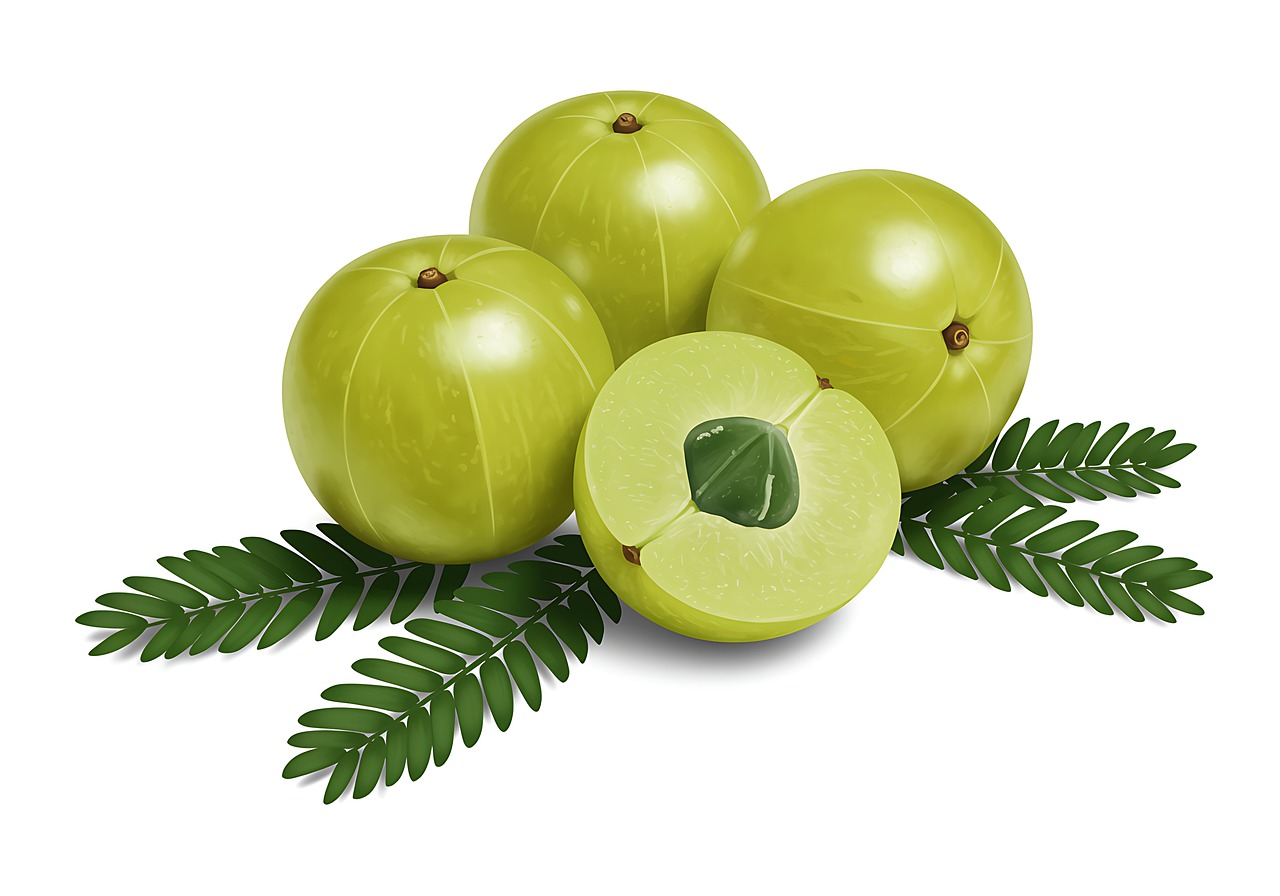
Amla benefits are widely discussed because amla, also called Indian gooseberry or Phyllanthus emblica, is a traditional Indian fruit known for its naturally sour taste and vitamin C content. This guide covers potential amla benefits, nutrition, traditional uses, how to eat amla, and possible side effects, with practical information for including it in a balanced diet.
Amla is particularly known for its vitamin C content and also provides dietary fiber and various plant compounds. It is commonly included in traditional diets and wellness routines because of its nutritional value.
In India, amla is used in many forms, including fresh fruit, amla powder, juice, chutney, pickle, candy and traditional preparations. It is also an important ingredient in several Ayurvedic formulations.
One of the reasons amla attracts attention is its combination of nutrients and naturally occurring antioxidant compounds. However, it is important to understand that eating amla is not a replacement for medical treatment or a balanced diet.

2. Amla Names in Different Indian Languages
Amla is known by different names across India and other regions.
| Language | Name of Amla |
|---|---|
| English | Indian Gooseberry |
| Hindi | आंवला (Amla) |
| Sanskrit | आमलकी (Amalaki) |
| Marathi | आवळा (Awala) |
| Gujarati | આમળા (Aamla) |
| Bengali | আমলকি (Amloki) |
| Punjabi | ਆਂਵਲਾ (Amla) |
| Tamil | நெல்லிக்காய் (Nellikai) |
| Telugu | ఉసిరికాయ (Usirikaya) |
| Kannada | ನೆಲ್ಲಿಕಾಯಿ (Nellikayi) |
| Malayalam | നെല്ലിക്ക (Nellikka) |
| Odia | ଅଁଳା (Anla) |
The botanical name of amla is Phyllanthus emblica. Depending on the region and language, the fruit may have different local names, but it generally refers to the same Indian gooseberry.
3. Amla Benefits and Uses: 10 Potential Health Benefits
Amla is a nutrient-rich fruit that can be part of a healthy and balanced diet. Below are some commonly discussed amla benefits and uses.
3.1 Amla Is a Rich Source of Vitamin C
Amla is well known for its vitamin C content. Vitamin C is an essential nutrient that supports normal immune function and contributes to protecting cells from oxidative stress. For more information, see the NIH vitamin C fact sheet.
Including vitamin-C-rich foods such as amla, citrus fruits, guava and other fruits in a balanced diet can help meet daily nutritional requirements.
3.2 Amla Contains Antioxidant Compounds
Amla contains naturally occurring plant compounds with antioxidant properties. Antioxidants help protect cells from oxidative stress caused by free radicals.
A diet containing a variety of fruits and vegetables provides different antioxidants and other beneficial plant compounds.
3.3 Amla May Support Digestive Health
Amla contains dietary fiber, which is important for normal digestive function. Adequate dietary fiber, along with sufficient water intake and regular physical activity, can support healthy bowel movements.
Some people traditionally consume amla after meals or as part of preparations intended to support digestion.
However, individual responses can vary, and consuming large quantities may cause digestive discomfort in some people.
3.4 Amla and Heart-Healthy Lifestyle
Amla has been studied for its potential effects on several cardiovascular risk factors. Some research suggests that amla preparations may influence blood lipid levels, but evidence varies depending on the preparation, dosage and study population.
Therefore, amla should be viewed as one component of a heart-healthy lifestyle rather than a treatment for cholesterol or heart disease.
A balanced diet, regular exercise, healthy body weight and appropriate medical care remain important.
3.5 Amla May Support Healthy Skin
Vitamin C is involved in the normal production of collagen, a protein important for skin structure.
As part of a nutritious diet, amla can contribute vitamin C and other plant compounds. Good hydration, adequate sleep, sun protection and a balanced diet are also important for maintaining healthy-looking skin.
3.6 Amla for Hair Care
Amla has a long history of use in traditional Indian hair-care practices. Amla oil and amla-based hair products are commonly used as part of scalp and hair routines.
However, it is important to distinguish traditional cosmetic use from medical claims. Amla should not be considered a proven treatment for hair loss or scalp disorders.
If significant hair loss, itching, scaling or scalp inflammation occurs, consulting a dermatologist is more appropriate.
3.7 Amla and Immune System Support
Vitamin C contributes to normal immune-system function. Since amla is a source of vitamin C, including it in a varied diet can contribute to overall nutritional intake.
However, eating amla does not guarantee prevention of infections. A healthy immune system depends on multiple factors, including adequate nutrition, sleep, physical activity and overall health.
3.8 Amla and Blood Sugar Management
Amla has been investigated in studies involving blood glucose and metabolic health. Some research has reported potential benefits, but the evidence is not strong enough to consider amla a treatment for diabetes.
People with diabetes should continue following their prescribed diet, medication and monitoring plan.
If you are taking medicines that lower blood sugar, discuss regular use of concentrated amla supplements or extracts with your healthcare professional.
3.9 Amla and Eye Health
A healthy diet containing fruits and vegetables provides nutrients and antioxidant compounds that contribute to overall health.
Amla’s vitamin C and other plant compounds make it a nutritious fruit, but claims that amla alone can improve eyesight should be treated cautiously.
Regular eye examinations are important, especially for people experiencing vision changes.
3.10 Amla and Weight Management
Fresh amla can be included in a balanced diet because it is a fruit that provides nutrients and fiber.
However, there is no single food that automatically causes weight loss. Successful weight management generally depends on overall calorie intake, food quality, physical activity, sleep and sustainable lifestyle habits.
Amla Nutrition Facts and Nutrients
The nutritional composition of amla can vary according to its variety, maturity and preparation method.
Amla provides nutrients such as:
- Vitamin C
- Dietary fiber
- Small amounts of carbohydrates
- Various plant compounds
- Other micronutrients in smaller quantities
Fresh amla is generally preferable to heavily sweetened preparations when the goal is to include the fruit as part of a healthy diet.
4. How to Eat Amla: 6 Easy Ways
There are several ways to include amla in your diet.
4.1 Fresh Amla
Fresh amla can be washed thoroughly and eaten directly. Because it has a strong sour and astringent flavor, some people prefer eating it with a meal or combining it with other foods.
4.2 Amla Juice
Amla juice is another popular option. If using packaged juice, check the ingredient list and choose products without excessive added sugar.
Homemade juice can be prepared by blending fresh amla with water and consuming it fresh.
There is no need to consume very large quantities.
4.3 Amla Powder
Amla powder can be added to foods or beverages. It can be mixed with water, smoothies or other suitable foods.
When purchasing amla powder, choose a reputable product and follow the serving instructions on the package.
4.4 Amla Chutney
Amla can be used to prepare chutney with ingredients such as coriander, mint, spices and other vegetables.
This can be a flavorful way to add amla to meals.
4.5 Amla Pickle
Amla pickle is another traditional preparation. However, pickles may contain considerable amounts of salt and oil, so they are best consumed in moderation.
4.6 Amla Candy
Amla candy is popular because processing reduces the fruit’s natural sourness.
However, many commercial amla candies contain added sugar. If you are watching your sugar intake, check the nutrition label and serving size.
5. Amla Side Effects, Risks, and Precautions
Although amla is a food commonly consumed by many people, consuming large amounts or concentrated preparations may not be suitable for everyone.
5.1 Digestive Discomfort
Eating too much amla may cause stomach discomfort, acidity, loose stools or other digestive symptoms in some individuals.
Start with a moderate amount and observe how your body responds.
5.2 Blood Sugar Considerations
Amla may potentially affect blood glucose levels. People taking diabetes medicines should be cautious with concentrated amla products or supplements.
Do not change prescribed medication without medical advice.
5.3 Blood Pressure and Medicines
People taking medicines for blood pressure or other chronic conditions should discuss regular use of concentrated herbal supplements with a healthcare professional.
Food-level consumption and concentrated extracts are not necessarily equivalent.
5.4 Dental Sensitivity
Amla is naturally acidic and sour. Frequent exposure to acidic foods can contribute to dental enamel erosion.
After eating acidic foods, rinsing your mouth with water can be helpful. Avoid brushing immediately after consuming acidic foods.
5.5 Pregnancy and Breastfeeding
Pregnant or breastfeeding women should consult a qualified healthcare professional before regularly using concentrated amla supplements or herbal preparations.
Food amounts may differ from medicinal or concentrated doses.
5.6 Allergic Reactions
Although uncommon, any food can cause an allergic reaction. Stop consuming amla and seek medical advice if you experience symptoms such as swelling, difficulty breathing, severe rash or other signs of an allergic reaction.
6. How to Include Amla in Your Daily Routine
Amla does not need to be consumed in large quantities to be part of a healthy lifestyle.
Here are some simple ideas:
Morning
You can include a small serving of fresh amla or unsweetened amla preparation with breakfast if it suits your diet.
With Lunch
Amla chutney can be served alongside a balanced meal containing vegetables, whole grains and a protein source.
As a Snack
Fresh amla can be eaten as a fruit-based snack.
In Smoothies
A small amount of fresh amla can be blended with other fruits and vegetables.
As Part of Hair Care
Amla-based oil or hair products can be used as a cosmetic hair-care option if they suit your scalp.
Choose Whole Foods
Fresh amla is generally a better everyday choice than products containing excessive added sugar, salt or unnecessary additives.
Maintain a Balanced Lifestyle
For better overall health, combine nutritious foods with:
- Regular physical activity
- Adequate sleep
- Sufficient water
- Stress management
- A balanced diet
- Regular health checkups
Frequently Asked Questions About Amla (Indian Gooseberry)
Is amla good to eat every day?
For most healthy people, amla can be included as part of a varied diet. The appropriate amount depends on the individual and the form in which it is consumed.
What is the best way to eat amla?
Fresh amla is a simple option. It can also be consumed as chutney, powder or juice. Avoid excessive amounts of heavily sweetened amla products.
Can we eat amla on an empty stomach?
Some people consume amla on an empty stomach, but it is not necessary for everyone. People with sensitive stomachs may prefer consuming it with food.
Does amla help hair growth?
Amla has traditionally been used in hair care, particularly as amla oil. However, strong clinical evidence that eating amla alone promotes significant hair growth is limited.
Can people with diabetes eat amla?
Amla can be part of a balanced diet, but people with diabetes should consider their overall diet and medications. Concentrated supplements may require additional caution.
Is amla good for skin?
Amla provides vitamin C, which contributes to normal collagen production and antioxidant protection. It can therefore contribute to a nutritious diet that supports overall skin health.

7. Conclusion: Is Amla Good for You?
Amla, or Indian Gooseberry, is a nutrient-rich fruit with a long history of use in Indian food and traditional wellness practices. It provides vitamin C, dietary fiber and naturally occurring plant compounds, making it a useful addition to a varied and balanced diet.
The potential amla benefits include supporting normal immune function, antioxidant protection, digestive health and overall nutritional intake. Amla is also widely used in traditional hair and skin-care routines.
Fresh amla, amla powder, juice and chutney are some convenient ways to include it in your diet. However, concentrated supplements and heavily processed products should be used thoughtfully, especially by people taking medicines or managing chronic health conditions.
The most important point is that amla is not a miracle cure. Its benefits are best considered as part of an overall healthy lifestyle that includes nutritious food, regular physical activity, adequate sleep and appropriate medical care.
In short, adding a moderate amount of amla to a balanced diet can be a simple and nutritious choice for many people.